


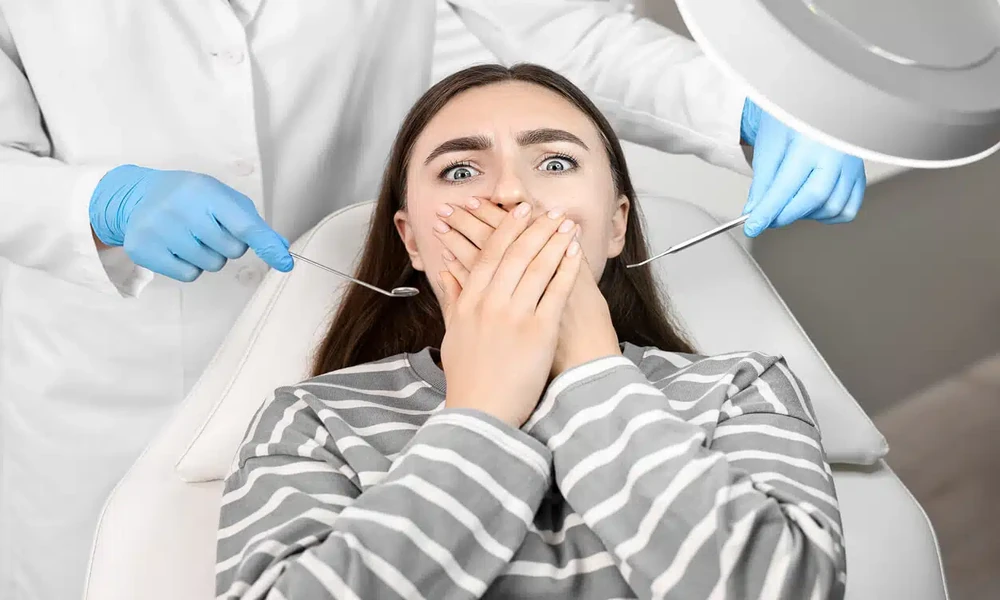
You might be feeling that familiar knot in your stomach just thinking about a dental visit. Maybe your heart starts racing before you even make the call, or maybe you have put off cleanings, fillings, or missing tooth treatment for years because fear feels bigger than the problem itself. If that sounds like you, you are not overreacting, and you are not alone. For many people, severe dental phobia turns even routine care into something that feels impossible. The good news is that sedation dentistry for dental anxiety can make treatment feel calmer, more manageable, and far less overwhelming with help from a dentist in Green Bay, WI.
When fear keeps you away from care, small issues can become painful, costly, and harder to treat. That is part of what makes this cycle so exhausting. You avoid the appointment because you are scared, then the delay creates bigger dental needs, which makes the next appointment feel even more frightening. So where does that leave you? It leaves you needing a path that respects your fear while still helping you protect your health.
Oral health affects more than your teeth. According to the National Institute of Dental and Craniofacial Research, oral conditions can affect eating, speaking, sleep, work, and overall quality of life. If you have been living with pain, broken teeth, or missing teeth because fear has been in the way, that burden is real, and it deserves a thoughtful solution.
Why does severe dental phobia make even simple treatment feel so hard?
Dental fear is not just “being nervous.” For some people, it is tied to a bad past experience, a strong gag reflex, fear of pain, trouble feeling numb, embarrassment about the condition of their teeth, or a sense of losing control in the chair. Because of this tension, your body may react before your mind can reason with it. You may sweat, shake, cry, feel short of breath, or cancel at the last minute even when you know you need help.
This becomes especially important when you need more involved care from a general and implant dentist. If you need extractions, implant planning, deep restorations, or treatment that takes more than one simple visit, fear can make every step feel heavier. You may wonder, “How could I ever sit through that?” That is exactly where sedation dentistry can change the experience.
How can sedation dentistry help patients with severe dental phobia?
Sedation dentistry uses medication to help you feel relaxed during dental treatment. Depending on your needs, it may range from mild relaxation to a deeper level of sedation. The goal is not to ignore your fear or push you through it. The goal is to lower the panic response so you can receive care in a way that feels safer and more tolerable.
For some patients, sedation helps quiet the constant anticipation that makes treatment unbearable. For others, it helps them sit comfortably for longer procedures, reduces gagging, or makes it easier to get several issues addressed in fewer visits. This can be especially helpful if you have delayed care for a long time and now need a larger treatment plan.
There are different forms of sedation, and the right one depends on your health history, the treatment involved, and the level of anxiety you experience. MedlinePlus explains how conscious sedation works, including the fact that patients may remain awake but feel relaxed and may remember little of the procedure afterward. That alone can be a huge relief if your fear is rooted in the memory of dental treatment itself.
What should you weigh when considering sedation for dental anxiety?
It helps to look at this choice in a practical way. Sedation is not magic, and it is not the same for every patient. Still, for many people with severe fear, it can be the difference between avoiding care and finally getting it done.
| Concern | Without Sedation | With Sedation Dentistry |
|---|---|---|
| Anxiety level | Fear may stay high before and during treatment | Relaxation may make treatment feel more manageable |
| Ability to complete care | You may postpone or stop mid treatment | You may be able to finish needed care in fewer visits |
| Comfort during longer procedures | Long appointments can feel overwhelming | Time may feel easier to tolerate |
| Memory of the visit | Stressful details may feel sharp and lasting | Some forms may reduce memory of the procedure |
| Recovery needs | Often minimal for routine care | May require someone to drive you home, depending on the type used |
What does this look like in real life? Imagine someone who has avoided the dentist for eight years because of panic attacks. They now need several fillings and want to talk about implants after losing a tooth. Without support, they might cancel again. With help for severe dental phobia, they may be able to get through the first visit, rebuild trust, and finally start moving forward.
What can you do right now if fear has been stopping you?
1. Name your fear clearly. Try to identify what scares you most. Is it pain, needles, sounds, shame, gagging, or loss of control? When you name the real trigger, it becomes easier to ask for the right support.
2. Ask specific questions about sedation options. Not every anxious patient needs the same approach. Ask what type of sedation may fit your level of fear, the kind of procedure you need, how you should prepare, and what recovery will look like.
3. Start with a consultation, not a commitment. You do not have to jump straight into treatment. A first visit can simply be a conversation about your history, your concerns, and what a calmer plan could look like. That step alone can break the cycle of avoidance.
Could this be the turning point that makes dental care feel possible again?
If severe fear has kept you away from the dentist, it does not mean you have failed. It usually means you need a different approach, one that respects your limits and helps you feel safe enough to accept care. Dental sedation options can give you that opening, whether you need routine treatment or more advanced care from a general and implant dentist.
You deserve dental care that meets you with patience instead of pressure. If you have been waiting for a way to take the next step without feeling trapped by fear, this may be the moment to ask about sedation and what it could make possible for you.
