


You might not think about your teeth much until something changes. Maybe chewing feels uneven, a cracked tooth catches every time you eat, or you have started avoiding certain foods because they are too hard, too cold, or just too uncomfortable. When your mouth is not working the way it should, the stress can sneak into the rest of your day. Meals become frustrating, speech can feel less clear, and even smiling may take more effort than it used to. If you are looking for dental care in Utica and Sterling Heights, addressing these issues early can help restore comfort and confidence.
If that sounds familiar, you are not overreacting. Oral problems affect more than appearance. They can change how you eat, speak, and care for yourself. The good news is that restorative dentistry is not only about fixing damage. It is also about helping your mouth do its job again, so daily life feels easier and more natural.
Why can one damaged or missing tooth affect so much?
It often starts small. A worn filling, a cracked tooth, or a gap from a missing tooth may seem manageable at first. You adjust. You chew on one side. You skip crunchy foods. You speak a little more carefully. Because these changes happen slowly, it is easy to accept them as normal.
But your mouth works as a system. When one part is not doing its share, the rest has to compensate. That can lead to jaw strain, uneven wear, sore gums, and more pressure on nearby teeth. Over time, a minor issue can turn into a pattern that affects comfort and function every day.
So, where does that leave you? Usually with a simple question. Can treatment really make daily life easier? In many cases, yes. Tooth restoration treatments can improve basic function in ways that people notice right away.
How does restorative dental care make eating easier?
Chewing is one of the first things people notice after a tooth is damaged or lost. Foods you once enjoyed may start to feel risky or painful. You may avoid nuts, apples, meat, or anything that takes effort to bite and chew. That can limit nutrition and make meals less enjoyable.
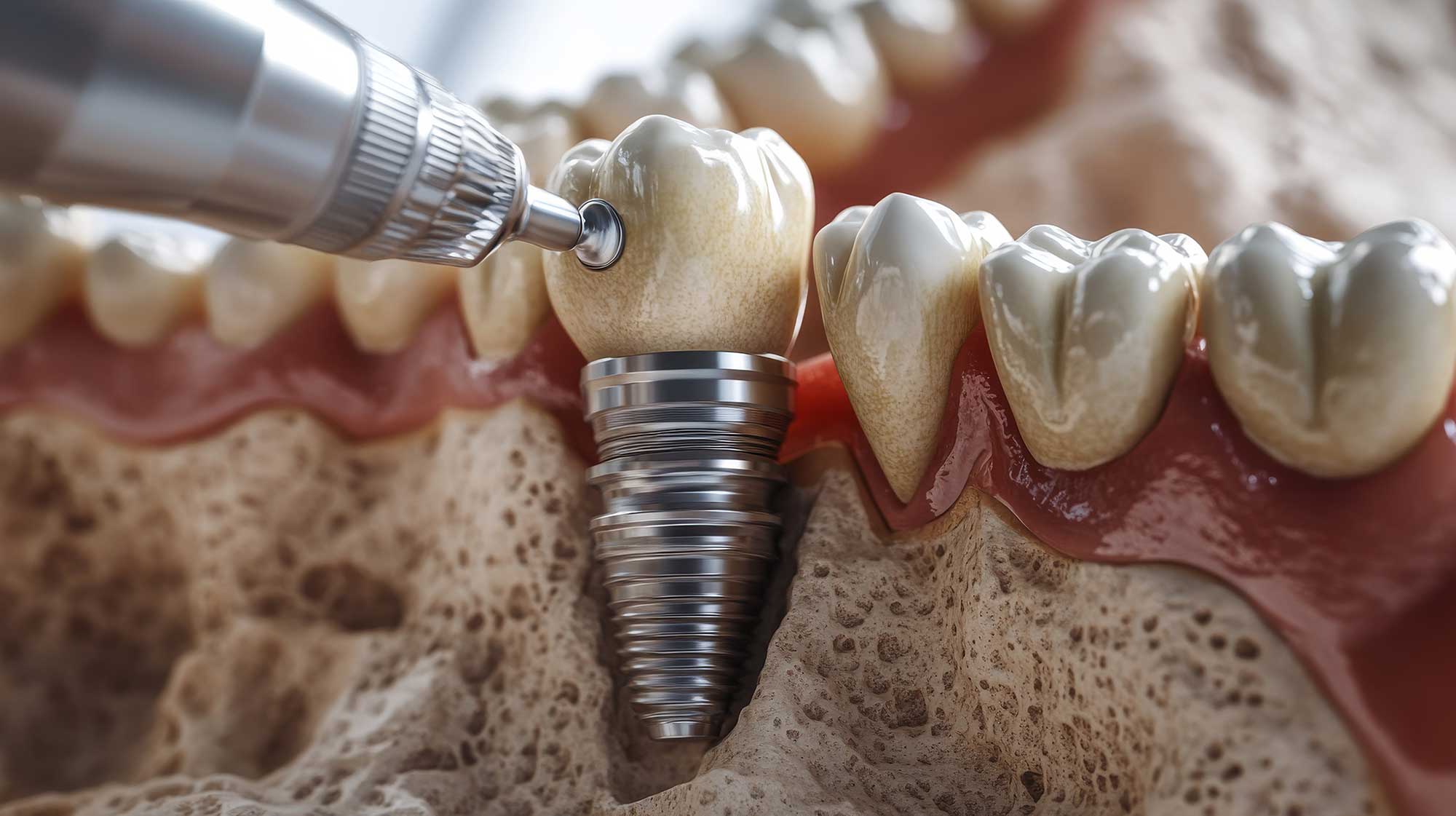
Restorations such as fillings, crowns, bridges, and dentures are designed to rebuild support and biting strength. A crown can protect a weak tooth and restore its shape. A bridge can replace a missing tooth and help spread chewing force more evenly. Dentures can restore function when several or all teeth are missing. If you want a plain language overview of how dentures help replace missing teeth, that resource can be useful.
When your teeth meet properly again, eating often feels less like a workaround and more like second nature.
Can repairing teeth really improve speech and confidence?
Yes, and not just in a cosmetic sense. Teeth play a real part in speech. Certain sounds depend on the tongue, lips, and teeth working together. When a tooth is missing or broken, words may come out differently, especially sounds like “s,” “f,” or “th.”
That can be frustrating in ways other people do not always see. You may repeat yourself more often, speak less in meetings, or feel self conscious during simple conversations. Restorative treatment can help by rebuilding the surfaces your mouth uses to form words. That is one reason many people notice not only a change in comfort, but also a return of ease in social settings.
And confidence matters. When you are not worried about a loose denture, a visible gap, or pain from a damaged tooth, it is easier to focus on the moment instead of your mouth.
What happens when treatment protects the teeth you still have?
This is one of the most overlooked benefits of 4 ways restorative dentistry improves everyday function. Restoring a problem tooth can help prevent extra wear and stress on the rest of your mouth.
For example, a dental crown may cover and strengthen a tooth that has been weakened by decay or a large filling. According to the University of Illinois Chicago College of Dentistry, crowns and bridges can restore damaged or missing teeth while supporting normal function. That matters because preserving structure now may help you avoid larger problems later.
If you have ever wondered whether waiting is the easier option, it helps to think a few steps ahead. A small crack can deepen. A missing tooth can allow nearby teeth to shift. A bite that feels “off” can become a daily irritation. Restoring function early often means less disruption in the long run.
How does restorative dentistry support daily comfort and oral health?
Comfort is not a luxury. It shapes how you eat, sleep, talk, and care for yourself. A tooth that hurts with every sip of something cold can make basic routines tiring. A poor bite can leave your jaw sore by the end of the day. Missing teeth can make it harder to clean certain areas well, which may raise the risk of more dental problems.
That is why general and restorative dental care often works best when it is paired with steady home care. The National Institute on Aging offers practical guidance on taking care of your teeth and mouth, including brushing, flossing, and watching for signs that need attention. Restoration and prevention work together. One repairs function. The other helps protect it.
What treatment option helps with which daily function?
Every mouth is different, but this comparison can help you see how common treatments often connect to everyday needs.
| Treatment | Common Problem | Everyday Function It May Improve |
|---|---|---|
| Filling | Small cavity or minor damage | Comfort while chewing and reduced sensitivity |
| Crown | Cracked, weak, or heavily filled tooth | Stronger bite and better protection during meals |
| Bridge | One or more missing teeth | More even chewing and clearer speech support |
| Dentures | Several or all teeth missing | Improved eating, speaking, and facial support |
What can you do right now if your teeth are affecting daily life?
Pay attention to the workarounds you have created. If you chew on one side, avoid certain foods, or feel nervous when speaking, those are signs your mouth may not be functioning well. Write them down. They can help guide the conversation at your appointment.
Ask which treatment solves the function problem first. It is easy to focus only on what looks wrong, but function often tells the deeper story. Ask whether the goal is to improve chewing, protect nearby teeth, reduce pain, or support speech. That keeps the plan grounded in your daily needs.
Keep up with basic care while you decide. Brush twice a day, clean between teeth, and do not ignore new pain, swelling, or sensitivity. Even if you are still weighing options, good home care supports any future restorative dental care and may prevent the problem from growing.
If your teeth are making ordinary moments harder than they should be, you do not have to keep adapting around the problem. The right general and restorative dentist can help you restore comfort, protect your oral health, and make everyday function feel normal again.
