


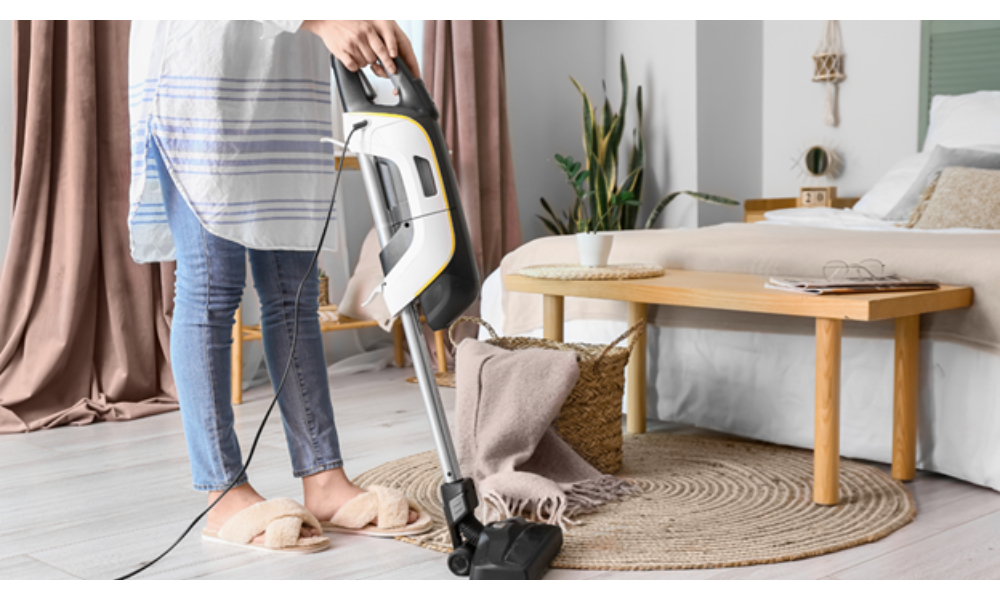
Most falls at home don’t happen during anything dramatic. They happen while doing normal, everyday tasks—carrying laundry, reaching for a mug, stepping over a threshold, or bending down to pick something up. The problem isn’t that these tasks are “dangerous” on their own. It’s that small obstacles, clutter, poor lighting, and rushed routines can quietly turn common moments into real fall risks.
Here are 10 seemingly small home tasks that can become big hazards—and simple fixes that make daily life safer and easier.
1) Carrying laundry from room to room
Laundry baskets block your view, throw off balance, and encourage quick steps—especially on stairs.
Easy fix: Use a smaller basket (more trips, less load), keep one hamper per bedroom, or use a rolling cart. If stairs are involved, consider moving laundry tasks to one level whenever possible.
2) Reaching for items on high shelves
Step stools, chairs, and “just one quick reach” are classic fall setups. Even a slight wobble can lead to a bad landing.
Easy fix: Store daily-use items between waist and shoulder height. Move rarely used items higher or lower. If you must use a step stool, choose one with a handle and non-slip feet—and never climb when alone if you feel unsteady.
3) Picking things up off the floor
Bending down can cause dizziness, balance loss, or strain—especially if you’re already tired.
Easy fix: Keep a grabber/reacher tool in the kitchen and bedroom. Place baskets or bins where clutter accumulates, and get in the habit of “one-touch tidy”—put it away immediately rather than creating floor hazards.
4) Walking to the bathroom at night
Low light, groggy steps, and urgency are a risky combo. Many nighttime falls happen on the way to or from the bathroom.
Easy fix: Add motion-sensor night lights in the hallway and bathroom. Keep pathways clear. If needed, consider a bedside commode or a clear, well-lit route that doesn’t require sharp turns.
5) Cleaning up small spills
A few drops of water on tile or hardwood can be invisible until it’s too late. Rushing to grab a towel can make it worse.
Easy fix: Keep microfiber cloths within reach in kitchens and bathrooms. Use non-slip mats near sinks. If spills are frequent, check for leaky faucets or condensation issues and address the root cause.
6) Taking out the trash or recycling
Trash bags are awkward, can swing into your legs, and sometimes require steps outside—often onto uneven surfaces.
Easy fix: Use smaller bags and lighter loads. Keep outdoor steps well-lit and install a sturdy handrail. In winter or rainy months, prioritize safe footing and delay the task until conditions improve.
7) Cooking while standing too long
Fatigue changes balance. Standing for long periods can cause leg weakness or lightheadedness, especially if hydration or blood sugar is off.
Easy fix: Use a stable kitchen stool for seated prep. Keep commonly used cookware easy to reach so you’re not constantly bending or stretching. Prep ingredients at a comfortable height with good lighting.
8) Bathing and stepping in/out of the shower
Wet surfaces, slick tile, and high tub walls are among the most common fall-risk areas in any home.
Easy fix: Install grab bars (not towel racks), use a non-slip mat inside and outside the shower, and consider a shower chair plus a handheld showerhead. A raised toilet seat can also help with safer sitting and standing.
9) Navigating “transition zones” like thresholds and rugs
Door thresholds, curled rug edges, and even slight flooring changes can catch a toe and cause a sudden trip.
Easy fix: Remove throw rugs or secure them with non-slip backing. Fix curled corners. Mark subtle thresholds with contrasting tape if vision is an issue, and keep cords out of walking paths.
10) Managing clutter during “busy moments”
The highest fall risk often shows up when you’re distracted—answering the phone, carrying groceries, rushing to the door, or trying to do two things at once. Clutter becomes the silent culprit.
Easy fix: Create “drop zones” near the entryway (a bench, hooks, a basket) so items don’t land on the floor. Keep walkways at least 36 inches wide. Make a quick daily sweep part of the routine—especially in hallways and stair areas.
A simple safety checklist you can use today
If you want a fast way to reduce fall risk without turning your home into a construction project, start here:
- Clear pathways: no cords, shoes, or stacks in hallways
- Improve lighting: bright bulbs + night lights in key areas
- Reduce reaching: move essentials to mid-level shelves
- Add stability: handrails, grab bars, non-slip mats
- Reduce rushing: set up the home so the “easy choice” is the safe one
When extra help makes everything safer
For many households, the hardest part isn’t knowing what to fix—it’s keeping up with the small tasks that prevent hazards: tidying clutter hot spots, wiping floors, organizing frequently used items, resetting the kitchen, and maintaining clear walking paths. That’s where consistent support can make a real difference.
If staying independent at home is the goal, homemaking services can help reduce risk by keeping the day-to-day environment clean, organized, and easier to navigate—without the stress of trying to do it all alone.
Falls aren’t always preventable, but many are predictable. Small changes—done consistently—can turn everyday tasks back into what they should be: normal, safe, and routine.
