



Most breathing practices look quiet from the outside. Lion’s Breath is different. The eyes widen, the tongue extends, and a strong “ha” leaves the mouth. The technique can feel playful, strange, or even awkward at first. That is part of its value. It asks the practitioner to stop performing composure and experience the body as it is.
Op e n brings this expressive practice into a wider approach to mindfulness. Breath, movement, sound, and focused attention work together to make presence feel physical rather than abstract. For people who struggle to sit silently while the mind races, a bold exhale can offer a clearer place to begin.
What Makes Lion’s Breath Distinct?
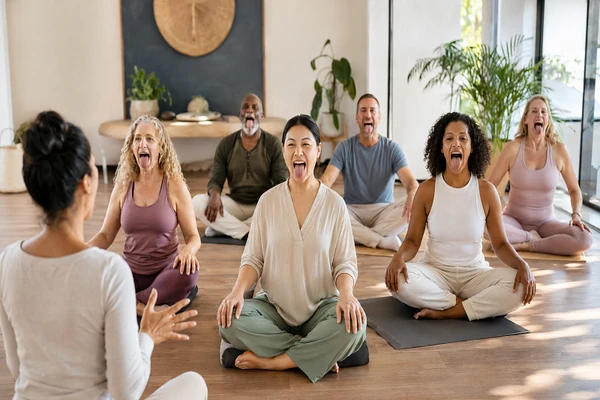
Lion’s Breath is also known as simha pranayama. It is commonly practiced from a comfortable seated position. A person inhales through the nose, opens the mouth, reaches the tongue toward the chin, lifts the gaze, and exhales with an audible sound.
The technique involves more than the lungs. It brings awareness to the jaw, tongue, throat, eyes, and facial muscles-areas that often tighten without notice. The Cleveland Clinic’s guide to Lion’s Breath describes its characteristic forceful exhale and explains why the practice feels more outwardly expressive than many other breathing exercises.
That visible expression can also challenge self-consciousness. A first attempt may produce laughter. With repetition, the same movement can feel freeing. The goal is not to create the loudest sound or force the throat. It is to complete a deliberate exhale while allowing the face and body to soften afterward.
A Simple Way to Practice
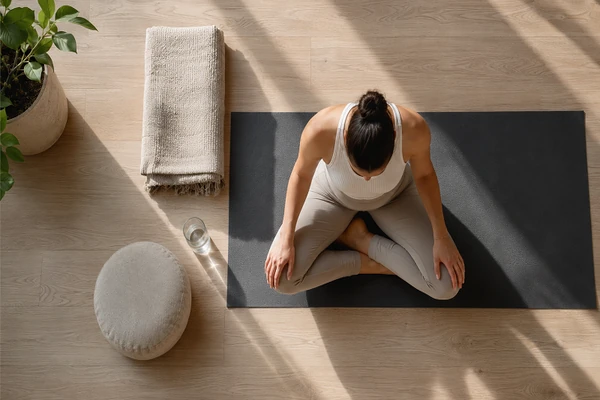
Sit upright on a chair, cushion, or mat. Let the shoulders settle away from the ears and place the hands on the thighs. Take a steady breath through the nose. Then open the mouth, extend the tongue, widen the eyes without strain, and exhale with a clear “ha.” Pause and notice the contrast before the next round.
Two or three rounds may be enough for a beginner. The exhale should feel strong but comfortable. There is no prize for pushing farther. Anyone who feels dizzy, short of Breath, or uncomfortable should stop and return to normal breathing.
Practitioners who want structured instruction can explore lions breath yoga through Op e n and learn how the technique fits within a broader breathwork or movement session. Guidance can help with posture, pacing, and the transition into stillness after the active Breath.
From Intensity to Stillness
The most useful moment may come immediately after the sound. The face relaxes. The next inhale arrives on its own. Attention shifts from mental noise to direct sensation. This does not mean every concern disappears. It means the practitioner has created a small interruption in the usual pattern.
Research on mind-and-body approaches is still evolving, and no single exercise is a cure for stress. The National Center for Complementary and Integrative Health notes that practices such as relaxation techniques, yoga, and meditation may be useful as supportive approaches for managing stress-related symptoms. Lion’s Breath can sit within that larger toolkit as a brief, embodied reset.
Building Confidence Through Repetition
Confidence in this practice often grows quietly. At first, a person may hold back from making a sound or worry about looking foolish. Later, the movement feels less like a performance and more like permission to be fully present. That change can carry into a yoga class, a difficult afternoon, or any moment when tension is building.
Consistency matters more than intensity. A useful routine might include three rounds after waking, before meditation, or at the end of a movement practice. Linking the Breath to an existing habit makes it easier to remember. A short reflection afterward-“What changed in my jaw, breath, or mood?”-can make the practice more personal.
Frequently Asked Questions
Is Lion’s Breath suitable for beginners?
Yes. Beginners can start with one or two gentle rounds while seated comfortably. The exhale should remain free of strain.
Does the practice need to be loud?
No. The sound should be clear enough to support a full exhale, but volume is not the objective. Comfort and control come first.
When is a good time to use it?
It can be practiced before meditation, during a yoga session, or as a brief transition between demanding parts of the day. It should not be done while driving or during any task that requires full attention.

Make Space for a More Expressive Practice
Lion’s Breath shows that mindfulness does not always have to be silent or serious. Op e n offers guided experiences that help people explore Breath, movement, meditation, and sound with clarity. Visit Op e n to try a practice, follow the instructions, and discover whether one bold exhale can create a more grounded next moment.
