


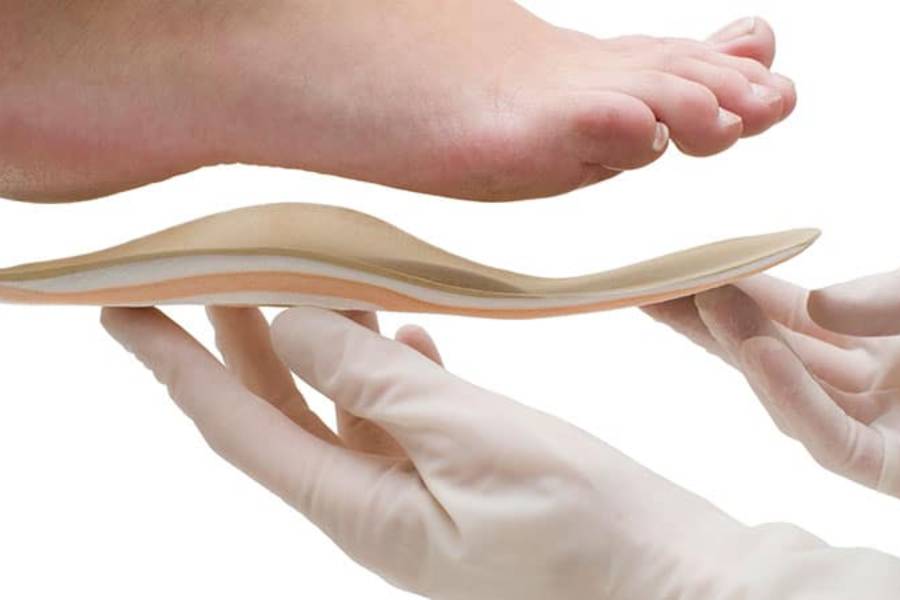
Foot discomfort can sometimes be connected to the way the feet function rather than a problem isolated to one specific area. Differences in arch height, walking patterns, weight distribution, and lower-limb alignment can influence how forces move through the body. For some people, individualized foot support may help address these mechanical factors as part of a broader care plan.
Unlike generic insoles designed for general cushioning, custom orthotics in Hamilton are selected or designed around an individual’s foot structure, movement patterns, symptoms, footwear, and daily activities. This personalized approach can be useful when standard inserts do not adequately address a person’s particular support or pressure-management requirements.
What Makes Custom Orthotics Different?
Over-the-counter insoles are manufactured in standardized shapes and sizes. They may provide general cushioning or arch support, but they are not necessarily designed around the specific characteristics of an individual foot.
Custom orthotics are created or selected following an assessment. Their design may account for factors such as arch structure, pressure distribution, stability, alignment, and the type of activities a person performs.
The objective is not simply to add material beneath the foot. Instead, an orthotic should address an identified need.
Looking at Foot Structure and Movement
Feet vary considerably. Some people have relatively flat arches, while others have high arches. These differences can affect how weight is distributed during standing and walking.
A professional assessment may include observing gait and examining how the feet and lower limbs move while bearing weight. Understanding these mechanics can help identify areas experiencing excessive pressure or movement.
These factors may also be relevant when someone experiences discomfort involving the feet, ankles, knees, hips, or lower back.
Managing Pressure and Supporting the Foot
An orthotic may be designed to redistribute pressure away from areas that repeatedly become uncomfortable. This can be relevant for people who develop recurring corns, calluses, or pressure points.
Depending on assessment findings, an orthotic may provide additional heel or arch support while promoting greater stability within the shoe. The appropriate level of support varies from person to person.
For readers exploring professional orthotic and footwear services, DeNova Health’s orthotics and footwear resource provide further information about available options.
Conditions That May Be Considered
Custom support may be considered for various foot-related concerns. Plantar fasciitis, flat feet, high arches, recurring pressure areas, and certain mechanical problems may all warrant an assessment to determine whether orthotic support could be appropriate.
An orthotic is not automatically necessary for every case of foot pain. Its potential usefulness depends on the cause of symptoms and the individual’s specific biomechanics.
The Assessment and Fitting Process
The process generally begins with a discussion of symptoms, lifestyle, activities, footwear, and relevant foot history. A professional may then assess foot structure, standing position, gait, and areas of pressure.
Footwear compatibility is another important consideration. An orthotic needs to fit appropriately inside the shoes a person actually wears. A device intended for athletic shoes may not work in dress shoes or other footwear with different dimensions.
Following fitting, adjustments may sometimes be necessary to ensure that the device performs as intended.
Choosing Support for Individual Needs
There is no single orthotic design that suits everyone. A person who spends long hours standing may have different requirements from an active runner, while someone experiencing recurring calluses may need a different pressure-management strategy from someone seeking additional arch support.
For that reason, professional assessment is an important part of selecting an orthotic. Matching the device to foot mechanics, symptoms, footwear, and everyday activities can make the support more practical and relevant to the individual’s needs.
