


Key Takeaways
- Many people can still walk after tearing their ACL, but walking ability does not indicate the severity of the injury.
- A torn ACL often causes knee instability, particularly during twisting, pivoting, or sudden changes in direction.
- Functional limitations vary depending on the extent of the injury, associated damage, and the individual’s activity level.
- Early assessment helps identify whether rehabilitation or surgical treatment may be appropriate.
- An orthopaedic surgeon in Singapore can evaluate the injury and discuss suitable treatment options, including ACL surgery when indicated.
Introduction
Many people assume that a torn anterior cruciate ligament (ACL) always makes walking impossible. In reality, some individuals are able to walk shortly after the injury, especially once the initial pain and swelling begin to settle. However, being able to walk does not necessarily mean the knee is functioning normally or that the injury is minor. A torn ACL affects the stability of the knee, and the resulting functional limitations often become more noticeable during activities that involve turning, pivoting, running, or sudden changes in direction. Understanding these limitations helps patients recognise why a proper assessment by an orthopaedic surgeon in Singapore is important before returning to daily activities or sports.
Why Walking May Still Be Possible
The ACL is one of the primary ligaments responsible for stabilising the knee joint. It prevents the shin bone from moving excessively forward relative to the thigh bone and helps maintain stability during movement. Although the ligament is important, other structures, such as surrounding muscles, tendons, and additional ligaments, continue to provide support after an ACL injury. This is why some individuals can still bear weight and walk despite having a complete tear. Walking on flat surfaces in a straight line places relatively low rotational stress on the knee compared with sporting movements. As a result, some patients experience only mild discomfort while walking but notice significant instability when attempting more demanding activities.
Common Functional Limitations After an ACL Tear
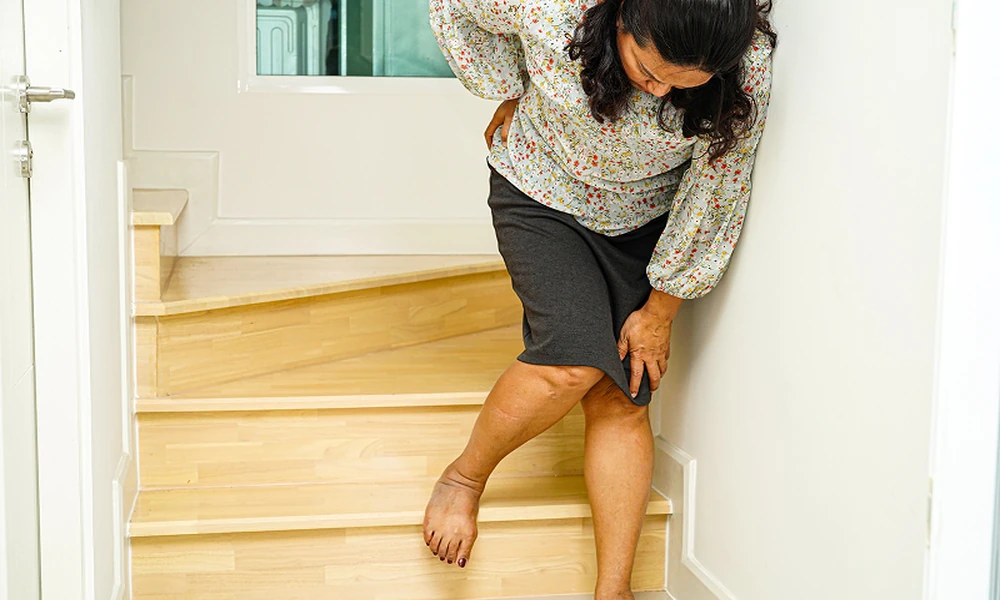
Even if walking is possible, functional limitations usually become apparent during everyday movements. Many people report that the knee feels unstable or as though it may “give way” when turning corners, walking on uneven ground, climbing stairs, or stepping down from elevated surfaces. Activities involving sudden acceleration, deceleration, pivoting, or jumping often become difficult because the injured ligament can no longer provide the same level of stability. Swelling, pain, and reduced range of motion may further affect movement during the early stages of recovery. These limitations can interfere with work, exercise, recreational sports, and other routine activities, depending on the severity of the injury and whether additional knee structures have also been damaged.
Factors That Influence Walking Ability
Not every ACL injury presents in the same way. A partial tear may produce different symptoms from a complete rupture, while associated injuries involving the meniscus, cartilage, or other knee ligaments can significantly increase pain and instability. Individual factors such as age, muscle strength, fitness level, and previous knee injuries also influence how well someone can function after the injury. Some physically active individuals may compensate effectively with strong surrounding muscles, whereas others experience repeated episodes of instability despite relatively light activity. For this reason, walking ability alone is not a reliable indicator of the extent of ligament damage.
When Medical Assessment Is Recommended
Anyone who experiences persistent swelling, instability, limited knee movement, or repeated episodes of the knee giving way should seek medical evaluation. A detailed history, physical examination, and imaging studies such as MRI help determine the extent of the injury and identify any associated damage. An orthopaedic surgeon can assess knee stability, evaluate the patient’s activity level and treatment goals, and recommend an appropriate management plan. Depending on the findings, treatment may include structured rehabilitation, physiotherapy, activity modification, or ACL surgery in Singapore for patients whose knee instability significantly affects daily function or sporting activities.
Conclusion
Walking with a torn ACL is possible for many people, but it should not be mistaken for normal knee function or a sign that treatment is unnecessary. The injury often causes functional limitations that become evident during more demanding movements, particularly those involving twisting or rapid changes in direction. Early assessment allows the injury to be properly diagnosed and helps determine whether rehabilitation alone or surgical management is the most appropriate approach based on the individual’s condition and functional requirements.
Connect with Dr Bryan Tan to take the first step towards understanding your knee injury.
