


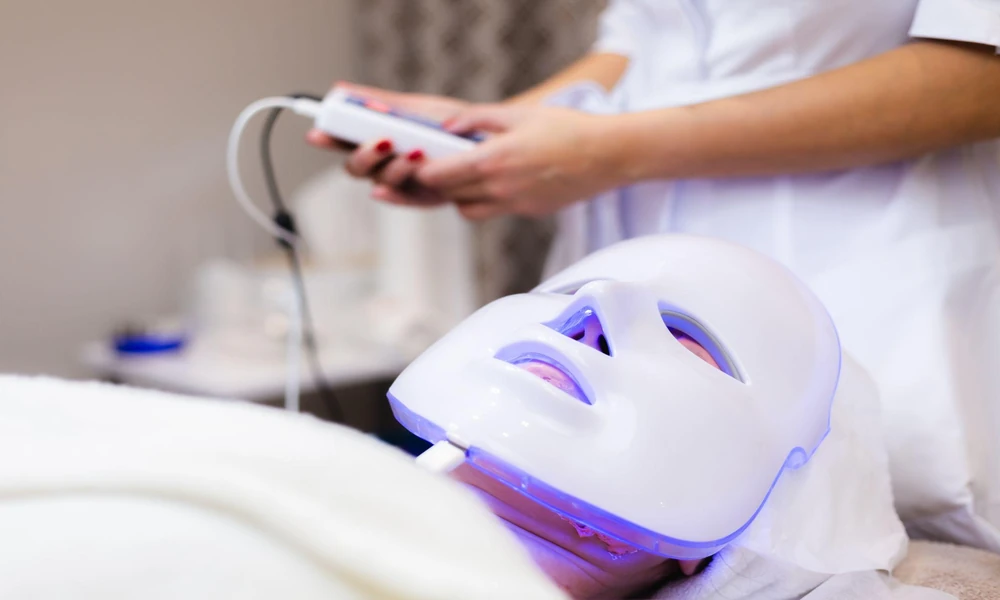
Skincare is not always about adding another serum or trying a stronger active ingredient. Some people are interested in treatments that can work alongside familiar routines. LED light therapy is one option gaining attention for concerns such as mild acne and visible signs of skin ageing. It uses specific wavelengths of light rather than UV rays to interact with the skin. While it may complement a well-planned routine, results depend on the device, treatment schedule, skin concern, and individual response.
What Is LED Light Therapy?
LED stands for light-emitting diode. In skincare, devices deliver selected wavelengths of visible or near-infrared light to the skin. Unlike treatments that rely on exfoliation, LED procedures are generally non-invasive and do not remove the outer layer of skin.
Different colours are used for different purposes. Red light therapy for skin is commonly explored for visible signs of ageing and skin appearance, while blue light therapy for acne is used to target mild inflammatory pimples. Some devices combine red and blue light. Wavelength, intensity, distance from the skin, and duration can affect treatment, so the device’s instructions matter.
What Skin Concerns Can It Help Address?
Interest in LED care often centres on acne and skin rejuvenation. Research on at-home blue and combined blue-red LED devices suggests they may help reduce mild to moderate acne lesions. However, they are not a solution for every type of acne. Visible light is not effective for blackheads, whiteheads, deep cysts, or nodules. The American Academy of Dermatology recommends discussing light-based acne treatment with a dermatologist, particularly when acne is persistent or severe.
Red and near-infrared devices are also marketed for texture, fine lines, and overall skin appearance. A 2026 systematic review found encouraging results in a small set of at-home facial rejuvenation studies, but the authors noted that devices and protocols varied and more standardised research is needed. So, benefits of LED light therapy should be viewed realistically: some users may notice gradual changes, but it is not an instant facial, a replacement for sunscreen, or a guaranteed treatment for pigmentation and redness.
How to Fit It into Your Existing Routine
A useful LED skincare routine should be simple enough to follow consistently. Check whether the device is intended for your concern and whether its directions suit your skin. Many home devices are used on clean, dry skin, before serums or moisturiser, but the manufacturer’s instructions take priority.
If you use prescription acne treatments, retinoids, exfoliating acids, or products that increase light sensitivity, ask a dermatologist whether LED is suitable and how to space it with other treatments. This is especially important if you have a condition that makes you sensitive to light or take photosensitising medication. If you are discussing options at a clinic such as RasaDerm, share your skincare products, medical history, and treatment goals so the practitioner can assess whether light therapy is appropriate.
For a practical starting point, keep these habits in mind:
- Cleanse gently and remove makeup before a session, unless the device instructions say otherwise.
- Follow the exact treatment time and frequency; avoid adding extra sessions.
- Use the recommended eye protection whenever the instructions require it.
- Continue daily sun protection and your basic moisturising routine.
Choosing Between Professional and At-Home Devices
A professional LED facial treatment may allow a clinician to select a device and plan based on your skin concern. Home devices can be convenient, but they are not all equally powerful or supported by the same level of evidence. Check that the product is designed for your concern, read its safety information, and look for appropriate regulatory clearance for its intended use. A label or online claim alone does not guarantee results.
With at-home LED light therapy, follow the specific device manual rather than copying a schedule from social media. Light-based procedures can pose an eye risk, so use the protection specified by the manufacturer or clinician. The FDA notes that people with photosensitivity disorders, certain implanted devices, or a history of cancer at the treatment site may need to avoid low-level light procedures or seek medical advice first.
What Results Should You Expect?
Think of LED as a possible supporting step rather than the centre of your skincare routine. Changes, when they occur, are usually gradual and depend on regular use over time. Avoid judging progress after a single session. If acne, irritation, or pigmentation is worsening, pause the device and get professional advice instead of increasing exposure.
LED does not replace established skincare. A gentle cleanser, moisturiser, daily broad-spectrum sunscreen, and condition-specific treatment remain important. For persistent acne, rosacea-like redness, unexplained rashes, or changing skin lesions, a dermatologist can help identify the cause and discuss suitable treatments.
Conclusion
LED light therapy can fit into a skincare routine as an optional, non-invasive treatment for selected concerns, particularly mild acne and some signs of skin ageing. Its usefulness depends on the wavelength, device, instructions, and your skin’s needs. Choose carefully, protect your eyes when required, and seek professional guidance if you have a skin condition or use light-sensitive medication. Keep the basics consistent and treat LED as a possible addition-not a shortcut to healthy skin.
