


Key Takeaways
- Different cleaning methods can either remove allergens or redistribute them into the air.
- Dry cleaning techniques are more likely to disturb fine allergen particles than methods that trap them.
- Household surfaces, fabrics, and ventilation systems require different cleaning approaches.
- Overcleaning or incorrect cleaning techniques may not always reduce allergen exposure.
- An ENT specialist or a nose allergy specialist may assess whether persistent nasal symptoms are linked to environmental allergen exposure.
Introduction
Many people associate cleaning with improved indoor air quality, but the way a home is cleaned can significantly influence how allergens move throughout the environment. Dust mites, pet dander, mould spores, pollen, and other airborne particles do not simply disappear when disturbed. Some cleaning methods effectively capture and remove these particles, while others temporarily suspend them in the air before they settle elsewhere. As a result, two households with similar levels of cleanliness may expose occupants to different amounts of allergens depending on the techniques used. Understanding how various cleaning methods affect allergen distribution helps homeowners make informed decisions when maintaining indoor spaces, particularly when family members experience recurring nasal allergy symptoms and may consider consulting an ENT specialist in Singapore.
Dry Dusting Can Redistribute Fine Particles
Dry dusting is one of the most common household cleaning practices, yet it can also be one of the least effective methods for controlling allergens. Using a feather duster or a dry cloth often lifts fine particles from furniture and shelves without capturing them. Instead, dust mites, pollen, and pet dander become airborne and remain suspended for varying periods before settling onto nearby surfaces. During this process, occupants may inhale these particles, particularly if cleaning occurs in enclosed spaces with limited ventilation. This redistribution may explain why some individuals notice sneezing, nasal congestion, or itchy eyes immediately after cleaning. Microfibre cloths used slightly damp are generally more effective because they retain particles rather than simply moving them into the surrounding air.
Vacuuming Depends on Equipment Performance
Vacuuming removes allergens from carpets, rugs, upholstered furniture, and mattresses, but the outcome depends heavily on the equipment being used. Older or lower-efficiency vacuum cleaners may release fine particles back into the room through exhaust air if filtration is inadequate. High-efficiency particulate filters are designed to capture much smaller particles before air is expelled, reducing redistribution during cleaning. Vacuuming also disturbs carpet fibres, temporarily releasing allergens trapped beneath the surface before they are collected. Areas with heavy foot traffic or homes containing pets may require more frequent vacuuming because allergens accumulate more rapidly. Proper maintenance of vacuum filters and dust containers is equally important, as clogged filters can reduce collection efficiency.
Wet Cleaning Methods Trap Allergens More Effectively
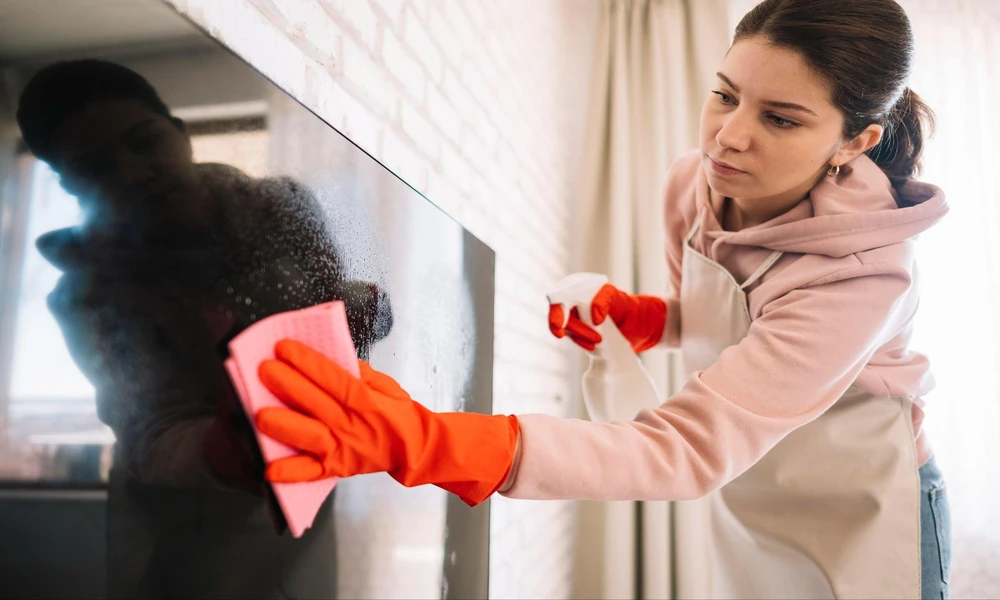
Wet cleaning techniques, including damp mopping and wiping hard surfaces with a moist cloth, generally reduce allergen redistribution more effectively than dry cleaning methods. Moisture helps bind dust particles, preventing them from becoming airborne during the cleaning process. Hard flooring surfaces particularly benefit from wet cleaning because allergens resting on smooth surfaces are more easily removed than those embedded in carpet fibres. However, excessive water use should be avoided, especially on porous materials, because prolonged dampness can encourage mould growth. The objective is to remove existing allergens without creating conditions that promote the development of new biological allergens within the home.
Fabrics and Soft Furnishings Require Different Approaches
Curtains, bedding, cushions, upholstered furniture, and soft toys act as reservoirs for allergens because their fibres trap microscopic particles over time. Surface cleaning alone often fails to remove allergens embedded deep within these materials. Regular washing according to manufacturer recommendations helps reduce accumulated dust mites and other allergens, while hot water may be appropriate for certain washable fabrics. Upholstered furniture may require specialised cleaning equipment that extracts allergens rather than simply brushing the surface. Rotating and cleaning these items regularly prevents continuous reintroduction of allergens into living spaces whenever they are used or disturbed. Consulting a nose allergy specialist may also help identify whether these household items are contributing to persistent symptoms.
Ventilation During Cleaning Influences Airborne Exposure
Ventilation plays a significant role in determining how airborne allergens behave during cleaning activities. Opening windows or using mechanical ventilation can help dilute suspended particles and improve indoor air circulation while cleaning is taking place. However, outdoor conditions should also be considered because open windows during periods of high pollen levels may introduce additional allergens into the home. Air filtration systems can further assist in reducing airborne particles after cleaning has disturbed settled dust. Combining appropriate cleaning methods with suitable ventilation practices helps limit the time allergens remain suspended indoors.
Conclusion
Household cleaning is not solely about removing visible dirt. The methods used determine whether allergens are effectively captured, redistributed into the air, or transferred to other surfaces. Dry dusting, vacuuming, wet cleaning, fabric care, and ventilation each influence indoor allergen exposure in different ways. Selecting appropriate techniques can help minimise unnecessary redistribution while maintaining a cleaner indoor environment. Individuals who continue to experience recurring nasal symptoms despite regular household cleaning may benefit from an assessment by an ENT specialist or a nose allergy specialist, who can evaluate whether environmental allergens are contributing to their symptoms and recommend appropriate management strategies.
Contact Dr Leslie Koh and let us identify possible contributing factors for your allergy.
