


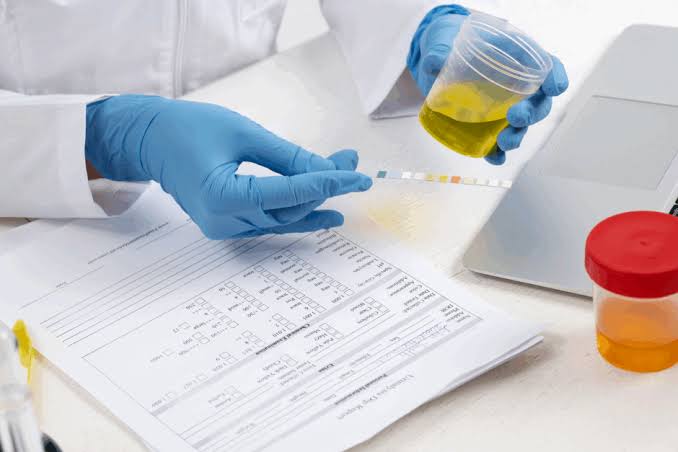
Reliable laboratory simulation requires carefully prepared materials that support repeatable practice, testing, and training. Synthetic urine can provide a controlled composition for settings where consistent reference samples are needed. Powdered and premixed forms differ mainly in preparation, storage, handling, and readiness.
Understanding these points helps users select a suitable option for their specific requirements. Organized testing routines can benefit from artificial urine products that provide practical options for consistent laboratory preparation.
How Does Preparation Differ?
Powdered forms require measured mixing before they can be used for planned laboratory activities. This extra step allows users to prepare quantities according to immediate requirements. Premixed forms arrive ready for direct use, reducing preparation time during scheduled tasks. The preferred format depends on available workspace, preparation routines, and expected usage frequency.
Which Option Supports Stability Better?
Storage conditions can influence the useful period of either format, making proper handling important. Powdered samples generally remain stable when kept dry within suitable storage conditions. Premixed samples require attention to container sealing, temperature, and storage duration. These differences can influence planning when materials need to remain available between scheduled laboratory activities.
Can Convenience Affect Daily Tasks?
Convenience depends strongly on how frequently samples are needed during regular activities. Premixed options can save preparation time when repeated sessions require immediate access. Powdered options can provide greater flexibility when smaller quantities are prepared only when required.
- Powdered forms require mixing before scheduled laboratory activities begin.
- Premixed options reduce preparation steps during repeated testing sessions.
- Dry storage usually requires less physical storage space overall.
- Ready forms may support quicker access during planned exercises.
- Clear instructions help maintain consistent preparation across repeated sessions.
What Supports Better Storage Planning?
Storage planning should consider available space, expected demand, and handling requirements. Powdered products can simplify inventory management because unused contents remain in a compact form. Premixed containers may occupy more storage capacity while offering immediate readiness. Based on preparation needs and storage priorities, artificial urine products can provide practical options for organized and efficient storage planning.
Which Format Fits Specific Needs?
The better format depends on whether preparation flexibility or immediate readiness matters most. Powdered choices may suit users who value compact storage and controlled preparation quantities. Premixed choices may suit users who prioritize quick access during scheduled activities. Comparing preparation time, storage conditions, quantity requirements, and handling routines can guide a practical selection.
Powdered and premixed formats each provide useful characteristics for laboratory simulation requirements. Powdered choices emphasize storage efficiency and preparation flexibility, while premixed options focus on readiness and reduced preparation effort. The most suitable choice depends on workload, storage capacity, available preparation time, and handling preferences. Careful selection can support organized routines while maintaining consistent sample preparation.
