


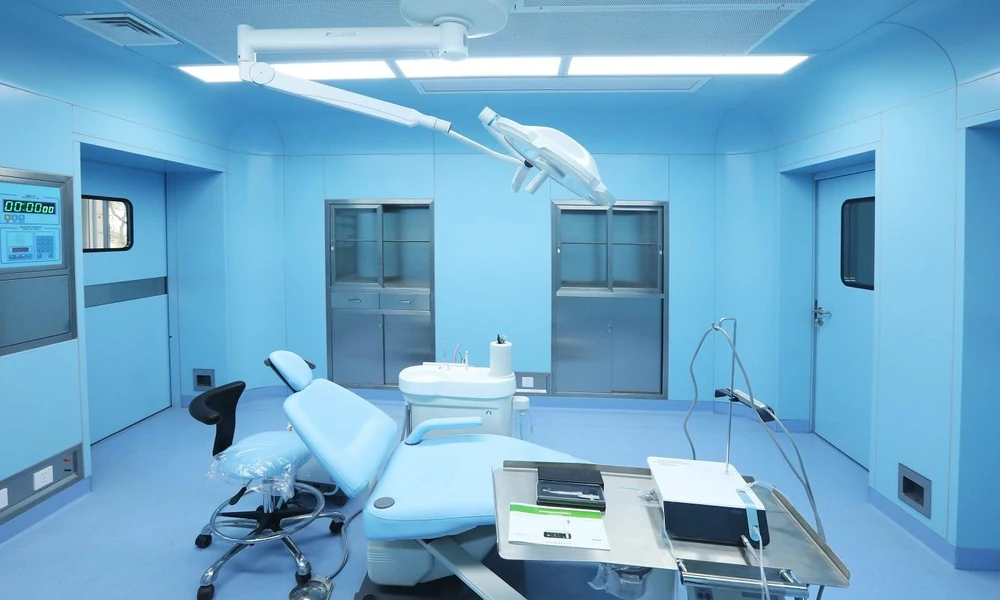
Oral surgery plays a vital role in treating a wide range of conditions, from impacted wisdom teeth and dental implants to jaw reconstruction and oral cancer. While surgical expertise is essential, the operating environment is equally important. A sterile oral operating room provides the controlled conditions needed to minimize infection risks, protect patients, and improve clinical outcomes.
Modern modular oral operating rooms are specifically designed to maintain strict hygiene standards, support efficient workflows, and comply with international healthcare regulations. For hospitals and specialty dental centers, investing in a sterile operating environment is a fundamental step toward delivering safer and higher-quality patient care.
Understanding Sterility in an Oral Operating Room
A sterile oral operating room is a controlled environment where every element-from air quality and room surfaces to equipment and staff protocols-is designed to reduce microbial contamination.
Unlike standard dental treatment rooms, oral operating rooms are used for complex procedures that may involve exposed bone, soft tissue, implants, or general anesthesia. Even minor contamination during surgery can increase the risk of postoperative complications.
Key features of a sterile oral operating room include:
- HEPA-filtered ventilation systems
- Positive air pressure helps keep contaminated air outside
- Antimicrobial wall and ceiling panels
- Seamless, easy-to-clean surfaces
- Controlled temperature and humidity
- Dedicated sterile zones for instruments and supplies
Together, these features help create a safer surgical environment for both patients and healthcare professionals.
Reducing the Risk of Surgical Site Infections
One of the primary reasons for maintaining a sterile oral operating room is to prevent Surgical Site Infections (SSIs).
During oral surgery, tissues are exposed to bacteria naturally present in the mouth. Although complete elimination of oral bacteria is impossible, maintaining a sterile surgical environment significantly reduces additional contamination from the surrounding air, equipment, or personnel.
A properly designed modular operating room helps by:
- Filtering airborne particles and microorganisms
- Controlling airflow patterns
- Minimizing dust accumulation
- Reducing surface contamination
- Supporting effective sterilization protocols
Lower infection rates mean fewer complications, reduced antibiotic use, shorter hospital stays, and improved patient recovery.
Protecting Vulnerable Patients
Not every patient has the same ability to fight infections. Individuals with weakened immune systems require even higher levels of protection.
High-risk patients include:
- Elderly individuals
- Children undergoing complex oral surgery
- Cancer patients
- Diabetic patients
- Organ transplant recipients
- Patients receiving chemotherapy
For these patients, even a minor postoperative infection can become a serious medical concern. A sterile oral operating room provides an added layer of protection that helps improve safety and treatment success.
Supporting Successful Dental Implant Procedures
Dental implants rely on successful healing between the implant and surrounding bone, a process known as osseointegration.
Contamination during surgery may increase the risk of implant failure due to infection or inflammation. By maintaining sterile conditions, hospitals and dental surgery centers improve the likelihood of long-term implant success.
A clean surgical environment also reduces the need for revision procedures, benefiting both patients and healthcare providers.
Improving Air Quality for Safer Surgery
Airborne contamination is one of the most overlooked risks in surgical environments.
Every movement by medical staff can release microscopic particles carrying bacteria. Without proper ventilation, these particles may settle into the surgical field.
Modern modular oral operating rooms use advanced HVAC systems equipped with HEPA filters capable of removing 99.97% of airborne particles as small as 0.3 microns. Combined with positive pressure ventilation, these systems continuously deliver clean air while preventing contaminated air from adjacent spaces from entering the operating room.
Better air quality directly contributes to safer surgical procedures.
Enhancing Workflow and Infection Control
Patient safety depends not only on cleanliness but also on efficient clinical workflows.
Modular oral operating rooms are designed with logical layouts that separate sterile and non-sterile areas. Equipment, surgical instruments, and medical supplies are strategically arranged to streamline workflow and reduce unnecessary movement during surgery.
Benefits include:
- Faster preparation between surgeries
- Reduced cross-contamination
- Improved instrument management
- Better communication among surgical staff
- Increased operational efficiency
An organized environment enables healthcare teams to focus entirely on patient care.
Meeting International Healthcare Standards
Hospitals worldwide are expected to comply with strict infection prevention standards established by organizations such as ISO, HTM, and national healthcare authorities.
Modular operating rooms are engineered to support these requirements through standardized construction, easy maintenance, and validated cleanroom performance.
Compliance helps hospitals:
- Improve accreditation readiness
- Demonstrate commitment to patient safety
- Meet government healthcare regulations
- Enhance institutional reputation
These standards also reassure patients that their procedures are being performed in a carefully controlled environment.
