


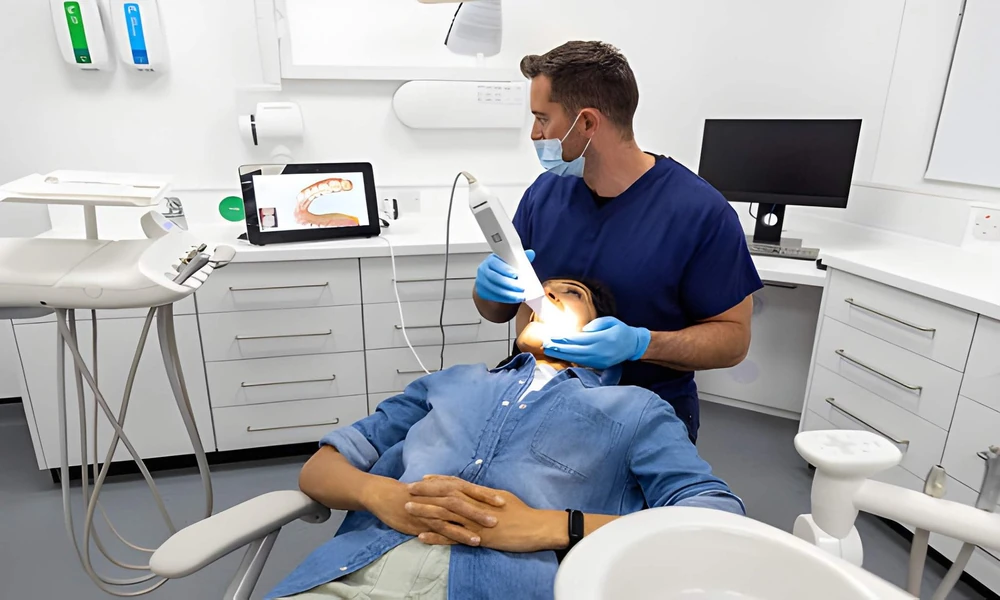
Considering Invisalign treatment? You have likely come across digital scans, a modern alternative to traditional dental impressions. These scans make the process faster, cleaner, and far more comfortable for patients. While the technology simplifies treatment planning, many people still have one common question: how often will additional scans be needed throughout their Invisalign journey to keep treatment progressing smoothly?
If you need a good clinic for Invisalign aligners Tulsa OK, then you must pay a visit to Cooper & Misner Orthodontics. In this clinic, digital iTero scans are used to create detailed 3D images of your teeth for designing personalized and precise Invisalign aligners. Their expert orthodontists explain how the scanning process can make your experience a lot less frightening, and at the same time, they track progress throughout the treatment journey.
Why Digital Scans Are Important
Digital scans form the foundation of Invisalign treatment. Instead of messy molds, an intraoral scanner captures highly detailed images of your teeth and bite in just a few minutes. These images are then used to create a series of custom aligners designed to move your teeth gradually into their ideal positions.
The precision of modern scanning technology offers several benefits:
- More accurate treatment planning
- Better-fitting aligners
- Improved comfort
- Faster adjustments when needed
- Enhanced ability to predict tooth movement
Because Invisalign treatment depends on a sequence of carefully planned movements, accurate scans help keep everything on track.
How Often Are New Scans Needed?
The answer depends on the individual patient and how their teeth respond to treatment.
Most patients receive an initial digital scan before treatment begins. Once the scan is complete, the information is used to develop a personalized aligner sequence tailored to the patient. After that, many orthodontists monitor progress during routine checkups, often scheduled about every eight weeks.
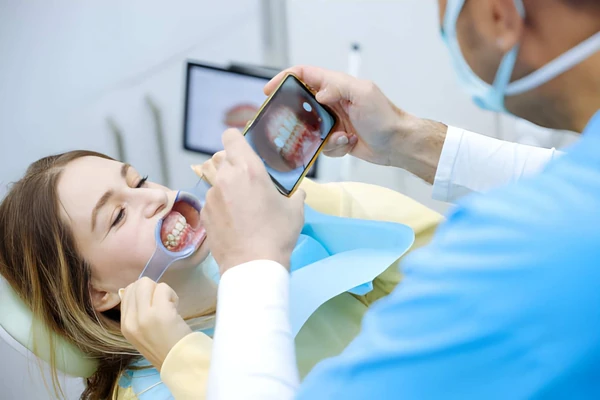
Additional scans may be taken when:
- Treatment progress needs to be evaluated
- Teeth are not tracking as expected
- A refinement phase is required
- New aligners need to be designed
- Treatment goals have changed
Many patients complete a large portion of treatment without needing frequent rescans. Others may require one or more follow-up scans if adjustments become necessary.
What Are Refinement Scans?
Despite detailed planning and advanced technology, teeth can occasionally shift at a different pace than anticipated. That is perfectly normal. Sometimes a patient reaches the end of their initial aligner series and needs a few extra trays to fine-tune the results.
When this happens, a new digital scan is usually performed. The updated scan provides a current picture of tooth positions, allowing the orthodontist to create refinement aligners tailored to the remaining movements.
The Bottom Line
Most Invisalign patients start with one comprehensive digital scan and only need additional scans when progress checks, refinements, or treatment adjustments require updated information.
The good news? Digital scanning is fast, comfortable, and incredibly accurate. It helps orthodontists make informed decisions while giving patients confidence that their treatment is moving in the right direction. And honestly, compared with the old impression materials, that is a pretty welcome upgrade.
