


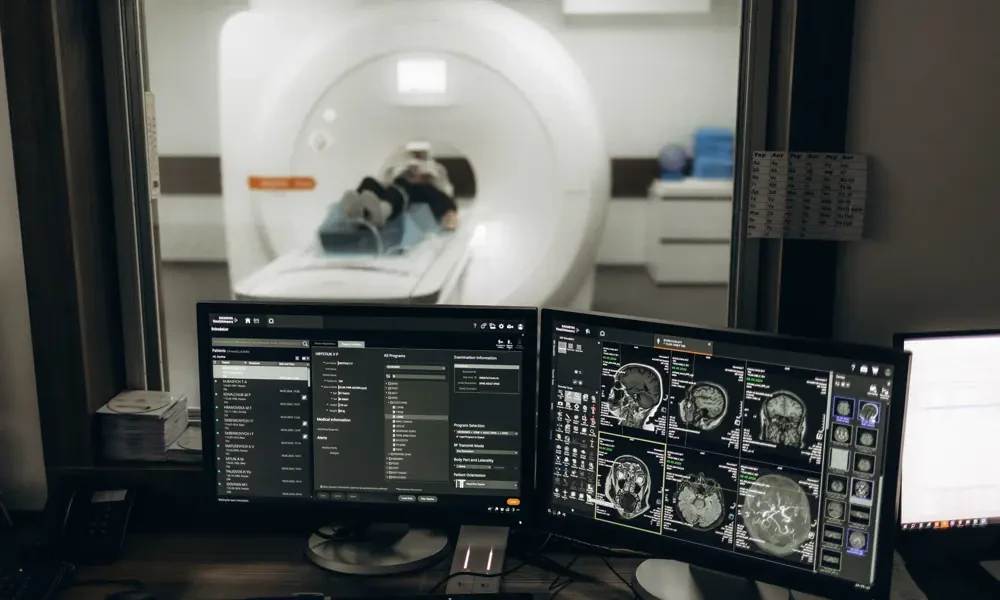
Magnetic Resonance Imaging (MRI) has transformed modern healthcare by enabling doctors to obtain highly detailed images of the human body without exposing patients to ionizing radiation. This advanced imaging technology has become an essential diagnostic tool for identifying a wide range of medical conditions. Maintaining a secure MRI environment requires strict adherence to safety procedures, awareness of possible hazards, and proper training for healthcare personnel. According to Kasey McKillip, understanding MRI safety measures is therefore essential to protecting patients, medical staff, and equipment during the scanning process.
Kasey McKillip talks about how MRI safety protocols protect patients and staff
MRI machines function through the use of a powerful magnetic field, radiofrequency (RF) waves, and gradient magnetic fields to create detailed internal images of the body. Unlike X-rays and CT scans, MRI does not rely on radiation, making it a preferred imaging option for many diagnostic procedures. However, the strong magnetic environment of MRI scanners introduces unique safety challenges. Potential hazards include the attraction of ferromagnetic objects, the risk of radiofrequency burns, and exposure to loud acoustic noise generated during the scanning process. These concerns highlight the importance of maintaining strict safety standards within MRI facilities.
Ensuring MRI safety extends beyond patient protection and also involves creating a safe working environment for healthcare professionals. Proper safety protocols are necessary to minimize risks and prevent accidents. Healthcare staff working in MRI environments must undergo specialized training that includes MRI safety guidelines and emergency response procedures. Personnel handling contrast agents are also required to use suitable personal protective equipment (PPE) to maintain safe practices. In addition, MRI suites should always remain clean, organized, and free from prohibited metallic objects that may accidentally enter the scan room and become dangerous projectiles due to the magnetic field.
As per Kasey McKillip, before a patient undergoes an MRI examination, healthcare professionals are responsible for conducting a thorough screening process. Patients are generally asked to complete an MRI Safety Screening Form that contains questions regarding medical history, implants, surgeries, and any foreign objects inside the body. This screening is often performed verbally by a radiologist or radiographer to ensure accuracy and patient understanding. The primary purpose of this process is to confirm that the MRI scan will not negatively affect the patient’s health or interfere with implanted devices. Medical professionals may ask about pacemakers, surgical clips, metal fragments, artificial joints, or any other object that could react to the magnetic field.
Patient education also plays a significant role in MRI safety. Prior to the procedure, patients should receive clear information regarding the scanning process and safety requirements. They must understand the importance of disclosing all medical conditions, implants, and previous surgeries to healthcare providers. Patients are also instructed to remove all metallic belongings, including jewelry, watches, hearing aids, hairpins, and electronic devices, before entering the MRI room. Proper communication helps reduce the possibility of accidents and ensures a safer scanning experience.
Another important aspect of patient education involves preparing individuals for what they may experience during the scan. MRI procedures can be lengthy and often produce loud knocking or buzzing noises. Informing patients about the expected duration and sounds of the procedure can help reduce anxiety and improve cooperation during the examination. MRI technicians remain in constant communication with patients through an intercom system throughout the scan to monitor comfort and address any concerns immediately.
