


Key Takeaways
- Long-pulse lasers deliver energy over a longer duration, allowing for deeper penetration and safer treatment of darker skin tones.
- This technology is highly effective for permanent hair reduction, treating spider veins, and stimulating collagen.
- The “long pulse” duration helps protect the surface of the skin while targeting specific structures underneath.
- Visiting an aesthetic clinic ensures you receive treatment with the latest, most precise laser platforms.
Introduction
Lasers have become such a staple in beauty and medicine that we often take them for granted. We hear terms like “IPL,” “Q-switched,” and “Fractional” thrown around constantly. But there is one particular workhorse of the aesthetic world that deserves more spotlight: the long-pulse laser. If you have ever looked into permanent hair removal or getting rid of those tiny red veins around your nose, you have likely benefited from this specific technology. For those visiting an aesthetic clinic, understanding how this laser differs from others can help you make better decisions for your skin.
At its core, laser technology is about light and heat. But the “long pulse” part is what makes it special. Instead of delivering energy in a tiny, explosive fraction of a second, these lasers spread the energy out over a slightly longer period. You know what? This tiny difference in timing changes everything. It allows the laser to bypass the surface of the skin and reach deeper targets without causing unnecessary damage. It is a bit like the difference between a quick flash of a lighter and the steady warmth of a candle; both involve heat, but they interact with their surroundings very differently.
How Selective Photothermolysis Works
The science behind all this is a fancy term called “selective photothermolysis.” This basically means using light to heat a specific target without burning everything around it. In the case of long-pulse lasers, the “targets” are usually melanin (pigment in hair) or haemoglobin (the red in our blood). Because the pulse is “long”, often measured in milliseconds, the target has time to absorb the heat and be destroyed. Meanwhile, the surrounding skin, which doesn’t have as much of that specific pigment, stays relatively cool. It is incredibly precise and remarkably safe when handled by a professional.
This is particularly important for hair removal. The laser needs to heat the hair follicle enough to stop it from growing back, but it must not burn the skin. For people with darker skin tones, this was traditionally a challenge because the skin also contains a lot of melanin. Long-pulse lasers, especially the Nd: YAG variety found in any top-tier aesthetic clinic in Singapore, are much safer for these skin types. The longer wavelength and pulse duration mean the energy doesn’t get “trapped” in the surface pigment, making it a versatile tool for Singapore’s diverse population.
Beyond Hair: Treating Veins and Skin Texture
While hair removal is the most famous use, long-pulse lasers are multitasking wonders. They are the gold standard for treating vascular lesions: those tiny broken capillaries or “spider veins.” When the laser hits the red blood cells, the heat causes the vein to collapse and eventually be reabsorbed by the body. It is almost like magic; you see a red line, the laser clicks, and over the next few weeks, that line simply vanishes. It is a fantastic option for people who struggle with rosacea or persistent redness that makeup can’t quite cover.
But wait, there is more! The heat generated by a long-pulse laser doesn’t just destroy things; it can also build things up. By gently warming the deeper layers of the dermis, the laser stimulates the production of collagen. This process, often called “laser toning” or rejuvenation, helps to improve skin texture and reduce the appearance of fine lines. It is a subtle, non-ablative way to keep the skin looking plump and youthful. This versatility is why you will see this technology used so frequently in a busy aesthetic clinic; it solves multiple problems with one sophisticated platform.
The Importance of Professional Calibration
You might think that because the laser is “safe,” anyone can use it. That is a dangerous misconception. The “science” part only works if the settings are perfectly calibrated to your specific skin type, hair colour, and the condition being treated. If the pulse is too short, you risk a burn; if it is too long, it won’t be effective. A skilled practitioner knows how to balance the “fluence” (energy level) and the “pulse width” to get the best result with the least amount of discomfort. It is a highly technical skill that requires both medical knowledge and experience.
When you visit a reputable aesthetic clinic in Orchard, Singapore, the first thing they will do is a skin assessment. They are looking at your “Fitzpatrick scale” rating; basically, how your skin reacts to the sun. This information tells them exactly how to set the laser. They might even do a “test patch” to see how your skin responds before proceeding with a full treatment. This level of care is what separates a medical-grade laser treatment from a generic beauty salon experience. Safety should always be the priority when dealing with high-energy light devices.
What to Expect During the Procedure
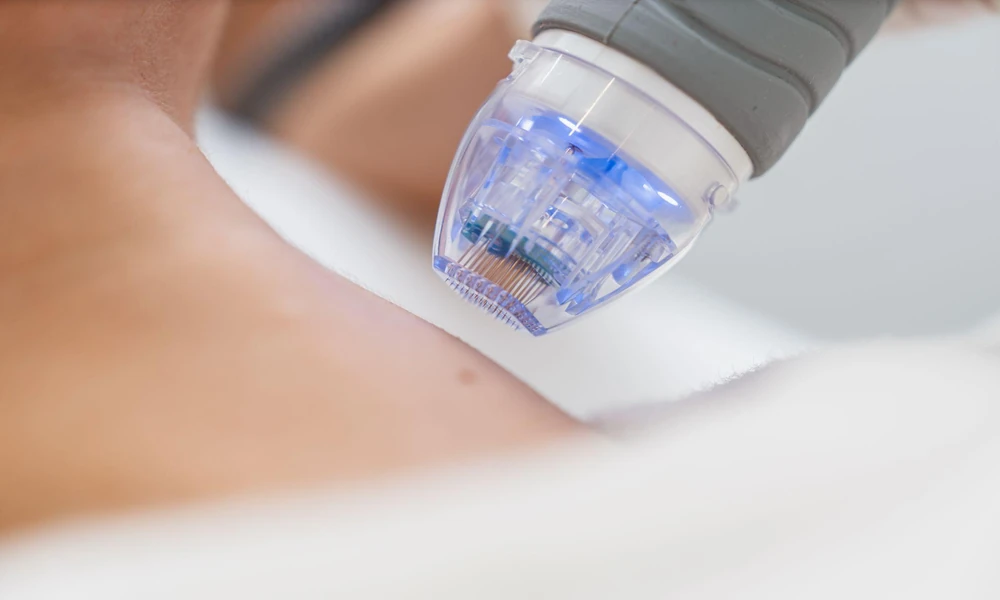
So, what does a session actually feel like? Most long-pulse lasers come equipped with advanced cooling systems. This might be a “chill tip” on the laser itself or a blast of cold air that hits the skin right before the laser pulse. This cooling is vital because it numbs the surface and makes the heat much more tolerable. Most patients describe the feeling as a “rubber band snap” against the skin. It is quick and a bit surprising, but the discomfort doesn’t linger. Depending on the size of the area, a session can take anywhere from ten minutes to an hour.
Afterwards, your skin might look a little pink, similar to a mild sunburn. This usually fades within a few hours. For hair removal, you will notice the hairs shedding over the next week or two. For vein treatments, the area might look slightly bruised before it clears up. The key is to follow the aftercare instructions, especially regarding sun protection. Since the laser has just sensitised your skin, you need to be extra diligent with SPF. It is a small price to pay for the long-term benefits that this incredible technology provides.
Conclusion
Long-pulse laser technology is a perfect example of how medical science can be harnessed for aesthetic perfection. By understanding the physics of light and the biology of the skin, researchers have created a tool that is both powerful and incredibly safe. Whether you are looking to get rid of unwanted hair, clear up your complexion, or erase visible veins, this technology offers a reliable, evidence-based solution. It is no wonder that it remains a cornerstone of the services offered at any leading aesthetic clinic.
If you have been considering a laser treatment but were unsure about the “how” and “why,” hopefully, this deep dive has cleared things up. The most important step is to choose a clinic that prioritises your safety and uses genuine, medical-grade equipment. Your skin deserves the best care possible, and with the right technology and the right hands, you can achieve the clear, smooth results you have always wanted. To discover how this technology can be tailored to your skin, get in touch with Dr Valentin Low today.
