


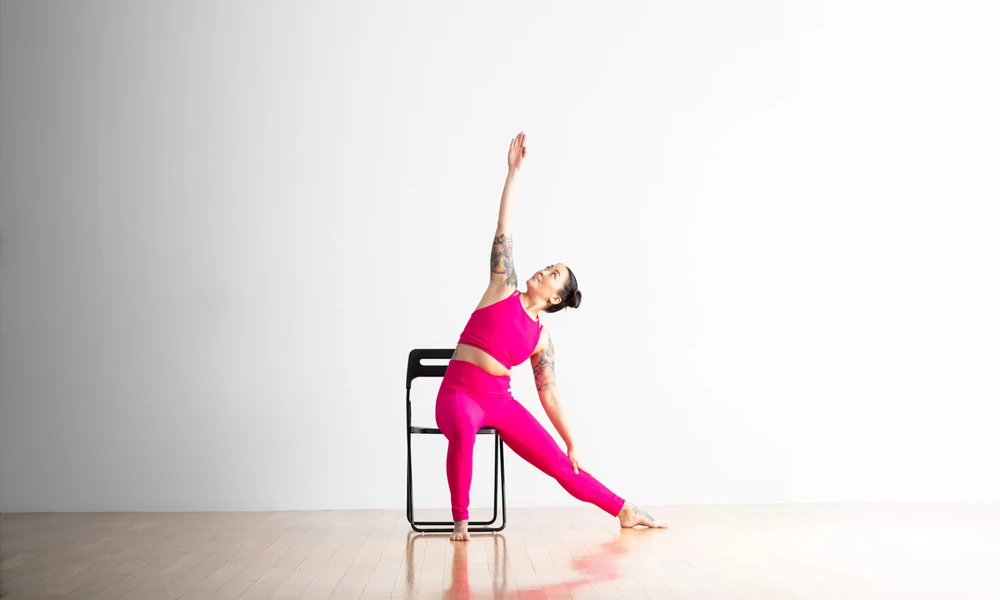
Yoga is often associated with floor exercises, standing poses, and movements that require considerable flexibility. However, not everyone feels comfortable practising on a mat. Beginners, older adults, people who spend long hours sitting, and individuals who prefer gentle movements may find chair-based exercises a convenient alternative.
Chair yoga adapts selected yoga movements and breathing techniques so they can be practised while sitting on a stable chair or using it for support. It offers a simple way to introduce movement into a daily routine without requiring a large space or specialised equipment.
The main goals are to move comfortably, improve awareness of posture, and practise controlled breathing. You do not need previous yoga experience to begin. By choosing gentle movements and adjusting them to your comfort level, you can develop a routine that fits your abilities and schedule.
Understand the Basics of Chair Yoga
Chair yoga involves performing selected stretches, mobility exercises, and breathing practices while seated or supported by a chair. Depending on the movement, you may remain seated throughout the session or stand briefly while holding the chair for balance.
A stable chair provides support and can make certain movements more accessible to people who find floor-based exercises difficult. It also allows you to practise in familiar surroundings, such as your living room or workplace.
Chair yoga can be useful for people who want to move more during the day, especially if their routines involve extended periods of sitting. However, it is not necessary to wait until you experience stiffness or discomfort before trying gentle movement.
The exercises should feel controlled and manageable. You should never force a stretch, hold your breath, or continue a movement that causes sharp pain.
Choose the Right Chair and Prepare Your Space
Before beginning, select a sturdy chair that will not slide or tip easily. A chair without wheels is generally a practical choice. If possible, use one with a firm seat and a comfortable height that allows your feet to rest flat on the floor.
Avoid chairs that are too low, excessively soft, or unstable. If you plan to practise standing movements, position the chair against a wall so it is less likely to move.
Wear comfortable clothing that allows you to bend your knees, rotate your shoulders, and move your arms freely. Keep enough space around the chair to extend your arms without hitting furniture.
You may also want to keep water nearby, especially if you are practising in warm weather.
Before starting, check your posture. Sit towards the front or middle of the seat, depending on the exercise, with your feet approximately hip-width apart. Let your shoulders relax and keep your spine in a comfortable, upright position.
Begin With Gentle Breathing
Breathing is a useful starting point because it helps you become aware of your body before you introduce movement.
Sit comfortably with both feet supported. Rest your hands on your thighs and allow your shoulders to settle away from your ears.
Breathe naturally through your nose if comfortable. Notice the air moving in and out without deliberately taking unusually deep breaths.
Continue for one or two minutes. If your thoughts wander, bring your attention back to the sensation of breathing.
You can also coordinate gentle movements with your breath. For example, lift your arms as you inhale if this feels comfortable, then lower them as you exhale.
Avoid holding your breath or forcing a breathing pattern. If you become dizzy or uncomfortable, stop the exercise and return to normal breathing.
Practise a Gentle Neck Stretch
Neck movements may be helpful for people who spend long periods looking at screens, provided the movements are comfortable and appropriate for their condition.
Sit upright and look straight ahead. Slowly tilt your head towards one shoulder without lifting the opposite shoulder. Hold briefly if the position feels comfortable, then return to the centre.
Repeat on the other side.
Next, gently turn your head to look towards one side, keeping your shoulders relaxed. Return to the centre and repeat in the opposite direction.
Perform a few slow repetitions rather than moving quickly or trying to stretch as far as possible.
Avoid rolling your head forcefully or pushing it down with your hands. If you experience neck pain, dizziness, tingling, or other unusual symptoms, stop the movement.
Improve Shoulder Mobility With Shoulder Rolls
Shoulder rolls are a simple exercise for introducing movement into the upper body. They can be particularly convenient during a break from desk work.
Sit with your feet flat on the floor and your arms resting beside your body. Slowly lift your shoulders towards your ears, move them backwards, and lower them gently.
Repeat several times, then reverse the direction if comfortable.
Keep the movements small and controlled. Avoid shrugging forcefully or moving so quickly that you lose control of your posture.
You can follow this exercise with gentle arm movements. Extend your arms forward only as far as comfortable, then bring them back towards your body.
The aim is to move through a comfortable range rather than achieve maximum flexibility. Stop if you notice sharp pain or increasing discomfort.
Try Seated Spinal Movements
Gentle spinal movements can help you practise moving between different postures while maintaining awareness of your breathing.
Sit towards the front of the chair with your feet firmly on the floor and your hands resting on your thighs.
As you inhale, gently lengthen your spine and lift your chest slightly without arching excessively. As you exhale, round your upper back a little and allow your chin to move slightly towards your chest.
Move slowly between these two positions for several repetitions.
Keep the movement comfortable and avoid forcing your lower back into a deep arch. If bending or extending your spine causes discomfort, reduce the range or skip the exercise.
This movement can be a useful introduction to coordinating posture and breathing. It also encourages you to notice how your body responds to small changes in position.
Add Seated Side Stretches
Side stretches can introduce gentle movement through the sides of the torso.
Sit upright with your feet supported and your hands resting on your thighs. Place one hand beside you on the chair or thigh for support.
Slowly raise the opposite arm, if comfortable, and lean slightly towards the supported side. Keep both hips grounded and avoid twisting your body.
Hold the position for a few natural breaths, then return to the centre and repeat on the other side.
You do not need to reach far overhead. A small movement may be sufficient to feel a gentle stretch.
Avoid leaning so far that you lose your balance or feel pressure in your lower back. If lifting an arm is uncomfortable, keep both hands on your thighs and practise a smaller side movement instead.
Explore chair yoga With Seated Leg Movements
Seated leg movements provide a practical way to introduce gentle lower-body activity without getting down onto the floor.
Begin by sitting upright with both feet resting flat. Hold the sides of the chair if you need additional stability.
Slowly extend one leg forward until it is comfortably straight, without locking the knee. Pause briefly, then lower the foot back to the floor.
Repeat on the other side.
You can also practise seated marching by lifting one foot a short distance off the floor, lowering it, and then lifting the opposite foot. Continue at a comfortable pace.
These movements can help you practise controlled leg movement and coordinate your posture. They are not a substitute for all forms of strengthening or balance training, but they can be a useful starting point for a gentle routine.
If you have knee, hip, or ankle problems, use a smaller range of motion or ask a qualified healthcare professional which movements are suitable for you.
Finish With Gentle Relaxation
After completing the movements, spend a few minutes sitting quietly.
Place both feet on the floor and rest your hands comfortably on your thighs. Allow your shoulders and jaw to relax. Notice your breathing without trying to change it.
Pay attention to how your body feels compared with the beginning of the session. You may notice warmth, a sense of movement, or no significant difference at all.
There is no need to expect a particular sensation. The purpose is to finish at a comfortable pace rather than move immediately into another activity.
If you find it difficult to sit quietly, count a few natural breaths or notice the points where your body touches the chair.
A short relaxation period can help you transition back to work or household responsibilities without rushing.
Build a Regular Beginner-Friendly Routine
Consistency is easier when your routine is short and manageable. Start with five to ten minutes and increase the duration gradually if the movements remain comfortable.
You might follow this simple sequence:
- Spend one minute observing your breathing.
- Perform gentle neck movements and shoulder rolls.
- Practise seated spinal movements and side stretches.
- Add seated leg extensions or marching.
- Finish with one or two minutes of quiet relaxation.
You can practise in the morning, during a break from work, or whenever you have spent a long time sitting. Choose a time that fits naturally into your day.
Avoid trying to complete every exercise at once if you feel tired or uncomfortable. You can select just two or three movements and gradually expand your routine.
Keep track of which exercises feel suitable and adjust them as your comfort and mobility change. If you have a medical condition, recent surgery, significant balance difficulties, or persistent joint pain, seek advice from a healthcare professional before starting a new exercise programme.
Conclusion
Chair-based yoga offers a practical way for beginners to explore gentle movement, breathing, and relaxation without requiring a mat or a large practice area. With a stable chair and a few simple exercises, you can begin working on posture awareness and comfortable movement at home or during a break at work.
Start slowly, respect your physical limits, and focus on controlled movements rather than perfect technique. You can adjust the routine according to your needs and gradually develop a schedule that feels manageable.
Practising yogasana in an adapted, chair-supported form may be a useful addition to a broader movement routine. The most important consideration is to choose exercises that are appropriate for your abilities and to practise them safely and consistently.
Frequently Asked Questions
1. Is chair yoga suitable for complete beginners?
Yes. Chair yoga can be adapted for people with little or no previous yoga experience. Begin with gentle movements and comfortable breathing, and choose exercises that match your current mobility.
2. How long should beginners practise chair yoga?
A five-to-ten-minute session is a reasonable starting point. You can gradually increase the duration if you feel comfortable, taking breaks whenever necessary.
3. Can chair yoga help with flexibility?
Gentle stretching and controlled movement may help maintain or gradually improve flexibility. Results depend on your starting mobility, consistency, and the exercises you perform.
4. Can I practise chair yoga while working at a desk?
You can perform selected gentle movements during a work break, provided your chair is stable and the exercises are appropriate for you. A separate, distraction-free session may be more comfortable for movements that require additional space.
5. What should I avoid when practising chair yoga?
Avoid unstable chairs, forceful stretching, sudden movements, and positions that cause pain. Do not hold your breath, and stop if you experience dizziness, chest pain, or unusual shortness of breath. Seek appropriate medical advice if you have concerns about exercising safely.
