


Key Takeaways
- Prompt treatment of a sprain prevents the development of chronic instability in the joint.
- Therapeutic manipulation helps to reduce swelling and realign injured tissues.
- Holistic recovery focuses on restoring the full range of motion while strengthening the surrounding muscles.
Introduction
A sudden twist of the ankle during a morning run or a simple misstep on a curb can result in weeks of frustration and limited mobility. While many people resort to the standard rest and ice method, seeking specialised TCM for an ankle sprain can significantly accelerate the recovery process. Traditional practitioners view an injury not just as a local issue, but as a disruption in the flow of blood and energy. By using specific herbal poultices and targeted stimulation of pressure points, they can help to clear the internal bruising and reduce inflammation more effectively than rest alone. This proactive approach ensures that the ligaments heal correctly, reducing the risk of a secondary injury once you return to your normal activities.
The Art of Therapeutic Manipulation
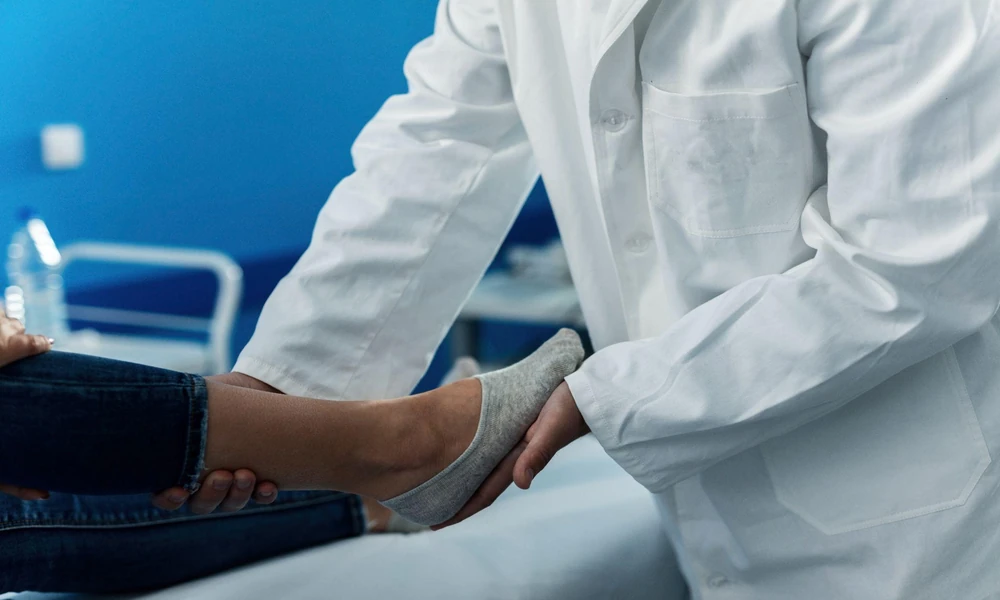
For those seeking a more hands-on approach to recovery, tui na in Singapore is a highly effective form of medical massage that has been used for centuries. This technique involves various hand movements, including rolling, kneading, and pressing, to stimulate the body’s natural healing mechanisms. Unlike a relaxation massage, TCM for an ankle sprain is specifically designed to address musculoskeletal issues by manipulating the soft tissues and realigning the joints. When applied to a recovering limb, it helps to break down scar tissue and improve the elasticity of the tendons, which is essential for regaining your balance and agility on the field or in the gym.
Why Professional Assessment Matters
Self-diagnosing a joint injury can be risky, as a seemingly minor sprain might actually involve a hairline fracture or a significant ligament tear. A professional consultation provides a clear diagnosis through physical examination and an assessment of your medical history. The physician can then tailor a treatment plan that might combine manual therapy with acupuncture or heat treatments. This ensures that every aspect of the injury is addressed, from the initial swelling to the long-term muscle weakness that often follows a period of inactivity. Having an expert guide your recovery gives you the confidence to push yourself during rehabilitation without the fear of re-injury.
Restoring Mobility and Preventing Recurrence
The final stage of any injury recovery is regaining the strength and coordination needed to prevent the problem from happening again. Traditional Chinese Medicine (TCM) practitioners often provide advice on specific stretches and lifestyle adjustments that support joint health. They may also recommend certain herbs that nourish the bones and tendons from the inside out. By strengthening the entire leg and improving your overall proprioception, your body’s ability to sense its position in space, you become more resilient to future accidents.
The Path to a Pain-Free Lifestyle
Dealing with an injury is a test of patience, but it is also an opportunity to learn more about how your body functions. Choosing a holistic recovery path allows you to heal in a way that respects your physical limits while aiming for the best possible outcome. Whether you are a weekend warrior or someone who enjoys long walks in the park, keeping your joints healthy is the key to longevity.
Conclusion
This comprehensive care is what makes traditional methods so popular among both athletes and active individuals. By combining traditional wisdom with modern knowledge of anatomy, you can overcome your injuries and get back to doing the things you love with a renewed sense of strength. Getting back on your feet after an injury requires the right strategy and expert care. Don’t let a minor sprain become a long-term problem.
Contact Liang Yi TCM to discover the benefits of tui na in Singapore for injury recovery.
